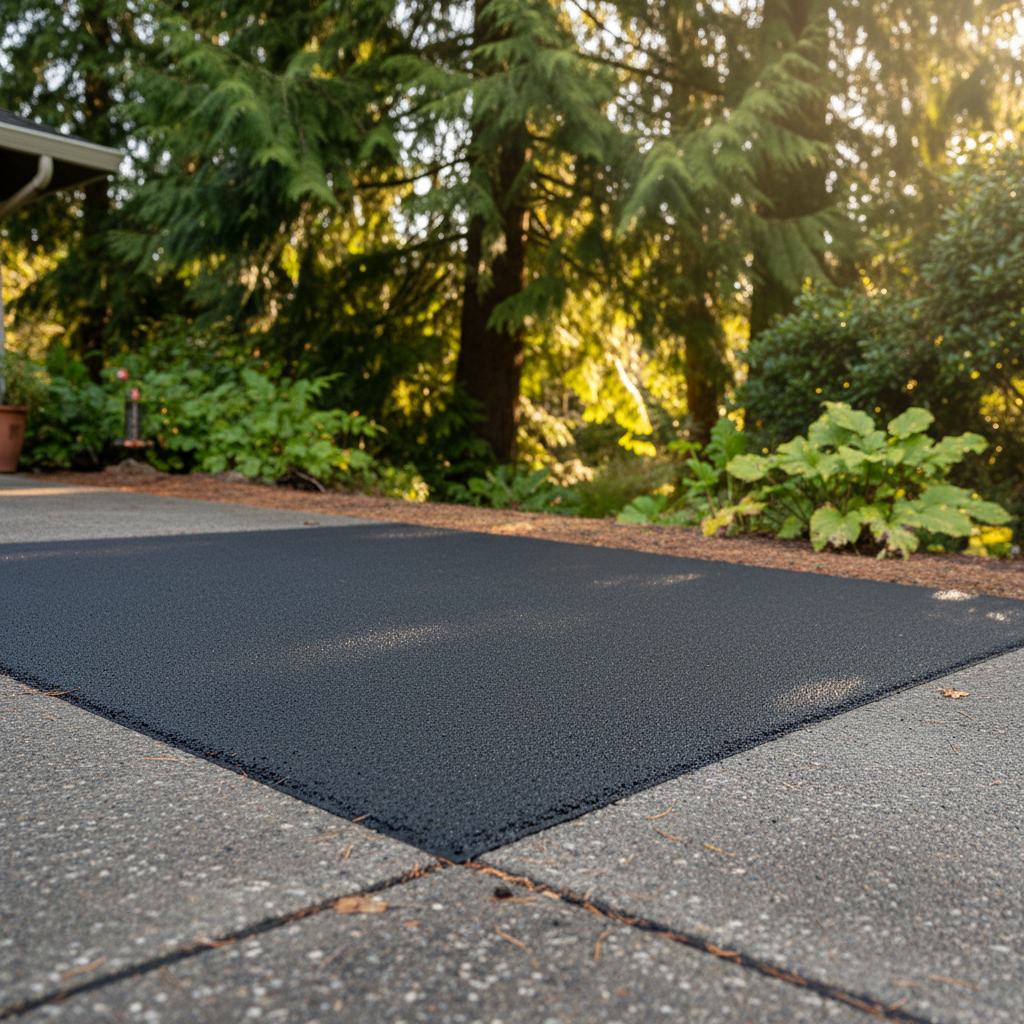
Alright, let's talk about asphalt patching. If you've got a driveway, chances are you've seen a crack or a pothole pop up. It's just a fact of life, especially with our wet Woodinville winters and the freeze-thaw cycles we get out here. I get a lot of questions about patching, so I figured I'd lay out the honest truth about what you need to know.
What's the difference between patching and sealing?
This is probably the most common question I hear. Think of it this way: patching is like fixing a wound, and sealing is like putting on sunscreen. Patching is about repairing actual damage – filling a pothole, fixing a significant crack, or replacing a crumbling section. You're addressing structural issues. Sealing, on the other hand, is a preventative measure. It's a protective layer applied over healthy asphalt to shield it from UV rays, water penetration, and everyday wear, extending its life. You patch before you seal, not instead of.
When is the best time to get asphalt patching done?
Honestly, the sooner the better once you see a problem. A small crack can turn into a big pothole surprisingly fast, especially with our heavy rains and the constant moisture in the soil around here. That said, for the best results, you want dry conditions. Asphalt patching materials need to cure properly, and moisture can mess with that. Spring, summer, and early fall are generally ideal here in Western Washington. We can sometimes squeeze in smaller repairs during a dry spell in winter, but it's not usually recommended for larger jobs.
Can I just do the patching myself?
You can, for sure, especially for really small, isolated cracks. There are cold patch products you can buy at any hardware store. For a tiny crack or a shallow divot, they can be a temporary fix. But here's the thing: those cold patches are rarely a long-term solution. They don't bond as well as hot asphalt, and they often fail within a year or two, especially under heavy traffic or if water gets underneath. For anything beyond a minor cosmetic issue, or if you want a repair that actually lasts, you're better off calling in a professional. We've got the right equipment and materials to do a proper, durable repair.
How long does asphalt patching usually last?
That depends entirely on the type of patch, the quality of the work, and the conditions it's exposed to. A well-done, hot asphalt patch using proper techniques – like cutting out the old damaged section, preparing the base, and compacting new asphalt – can last many years, often as long as the surrounding pavement, if it's maintained. Cold patches, as I mentioned, are usually temporary, maybe a year or two. The key is addressing the underlying cause of the damage, if there is one, and making sure the patch is properly integrated.
What causes cracks and potholes in the first place?
Lots of things, but primarily water and traffic. Water gets into tiny cracks, freezes, expands, and then thaws, breaking the asphalt apart. This is especially true if you've got poor drainage. Then, vehicle weight drives over those weakened spots, and boom, you've got a pothole. UV rays from the sun also degrade the asphalt binder over time, making it brittle and more prone to cracking. Poor initial installation, inadequate base material, or even tree roots can also contribute. We see a lot of issues with older driveways in areas like Hollywood Hill where the original base might not have been as robust as modern standards.
When is it too late for patching? When do I need a full replacement?
That's a tough call sometimes, but here's my rule of thumb: if more than about 25-30% of your driveway surface is severely cracked, crumbling, or potholed, or if you're seeing widespread alligator cracking (it looks like alligator skin), patching might just be throwing good money after bad. At that point, the underlying structure is likely compromised, and you're just putting bandages on a failing system. A professional assessment can tell you for sure, but generally, if you're looking at patching large sections every year, it's probably time to consider a full overlay or replacement. We at Top Notch Asphalt can give you an honest appraisal.
How much does asphalt patching cost?
This is where it gets tricky because there's no one-size-fits-all answer. It depends on the size and depth of the damage, the type of patching material needed, and how much prep work is involved. A small, shallow pothole is obviously less expensive to fix than a large section that needs to be cut out, re-graded, and repaved. Most contractors, including us, will need to come out and take a look to give you an accurate quote. Don't just go with the cheapest bid; make sure you understand what type of patching they're doing and what's included. A proper repair might cost a bit more upfront but will save you money in the long run.