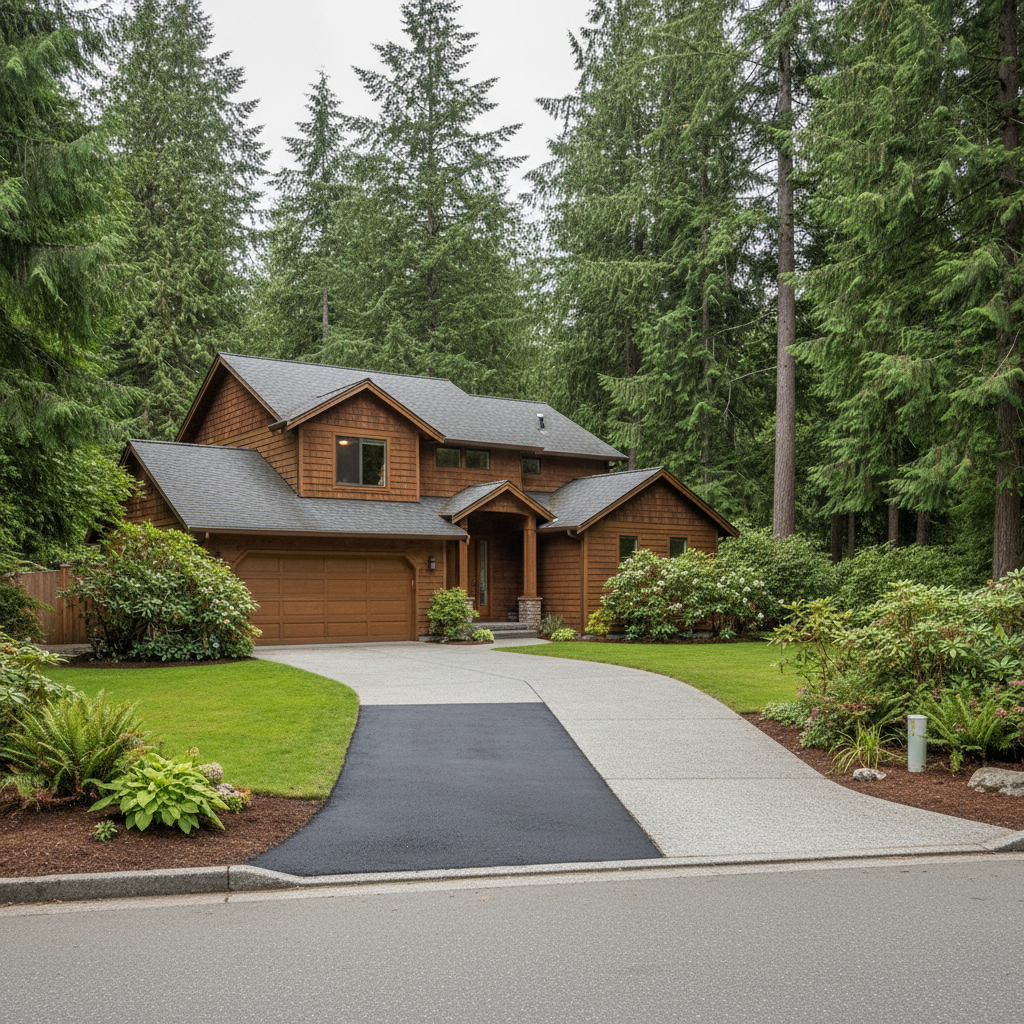
You've got a pothole. Or maybe it's just a few cracks spiderwebbing across your driveway or parking lot. Whatever it is, you're probably thinking, 'Can't I just patch it myself?' Sure, you can try. But here in Woodinville, with our unique weather and soil, a quick fix often turns into a recurring problem. I've seen it countless times.
Why Woodinville Asphalt Needs Special Attention
Our climate is a big one. We get a lot of rain, especially from October through June. That constant moisture seeps into even the smallest cracks. Then, when temperatures dip below freezing, that water expands, pushing the asphalt apart. It's a cycle that turns minor damage into major structural issues surprisingly fast. It's not just the rain, either. We've got a lot of varied soil types around here, from the silty loam in areas near the Sammamish River to the heavier clay soils in some of the higher elevations. That means the ground under your asphalt can shift and settle differently, putting stress on your pavement.
You see this a lot in older developments, like those tucked away off Avondale Road or down near the river. Their foundations might not have been as robust, and the asphalt has taken a beating over the decades. New developments, too, often have their own challenges with settling. That's why a generic patch job just won't cut it. You need someone who understands these local conditions, someone who knows what kind of base prep is needed before you even think about laying down new asphalt.
Common Patching Scenarios I See Around Town
Most of the patching calls I get fall into a few categories:
- Potholes: These are the obvious ones. They're not just ugly; they're a hazard for vehicles and pedestrians. A good pothole repair isn't just filling a hole; it's cutting out the damaged area, making sure the sub-base is solid, and then compacting new asphalt properly.
- Utility Cuts: Remember when the gas company or the internet folks dug up your street or driveway? Those trenches often get a temporary patch. If it's not done right, it'll sink or crack within a year. We make sure those utility cuts are permanently repaired, blending seamlessly with the existing surface.
- Edge Cracks & Alligator Cracking: You know, those cracks that look like an alligator's skin? That's a sign of deeper structural failure. You can't just pour some sealer over that and call it a day. We're talking about removing the compromised section and rebuilding it. Edge cracks, especially along driveways without proper drainage, are also common. Water gets under there and just starts eroding everything.
- Trip Hazards: Sometimes it's not a pothole, but an uneven section of pavement that's risen or sunk. This is a big liability, especially for businesses. Getting those areas leveled out is crucial.
The Difference a Local Pro Makes
When you call someone like Top Notch Asphalt, you're not just getting a crew with some hot mix. You're getting guys who've been working on Woodinville properties for years. We know which neighborhoods tend to have drainage issues, which ones have softer soil, and how the freeze-thaw cycles specifically impact our local asphalt.
We don't just patch; we assess. We look at the root cause of the damage. Is it poor drainage? A failing sub-base? Heavy traffic? Without understanding why the asphalt failed, any patch is just a band-aid. We'll recommend the right type of repair, whether it's a simple patch, a cut-and-patch, or if you're really looking at a larger resurfacing project. We use quality materials that are designed to stand up to our Pacific Northwest weather, not just generic stuff that'll crumble in a year.
Look, your asphalt is an investment. Keeping it in good shape protects your property, enhances its curb appeal, and prevents bigger, more expensive problems down the road. Don't let those small cracks turn into craters. Get it fixed right the first time.