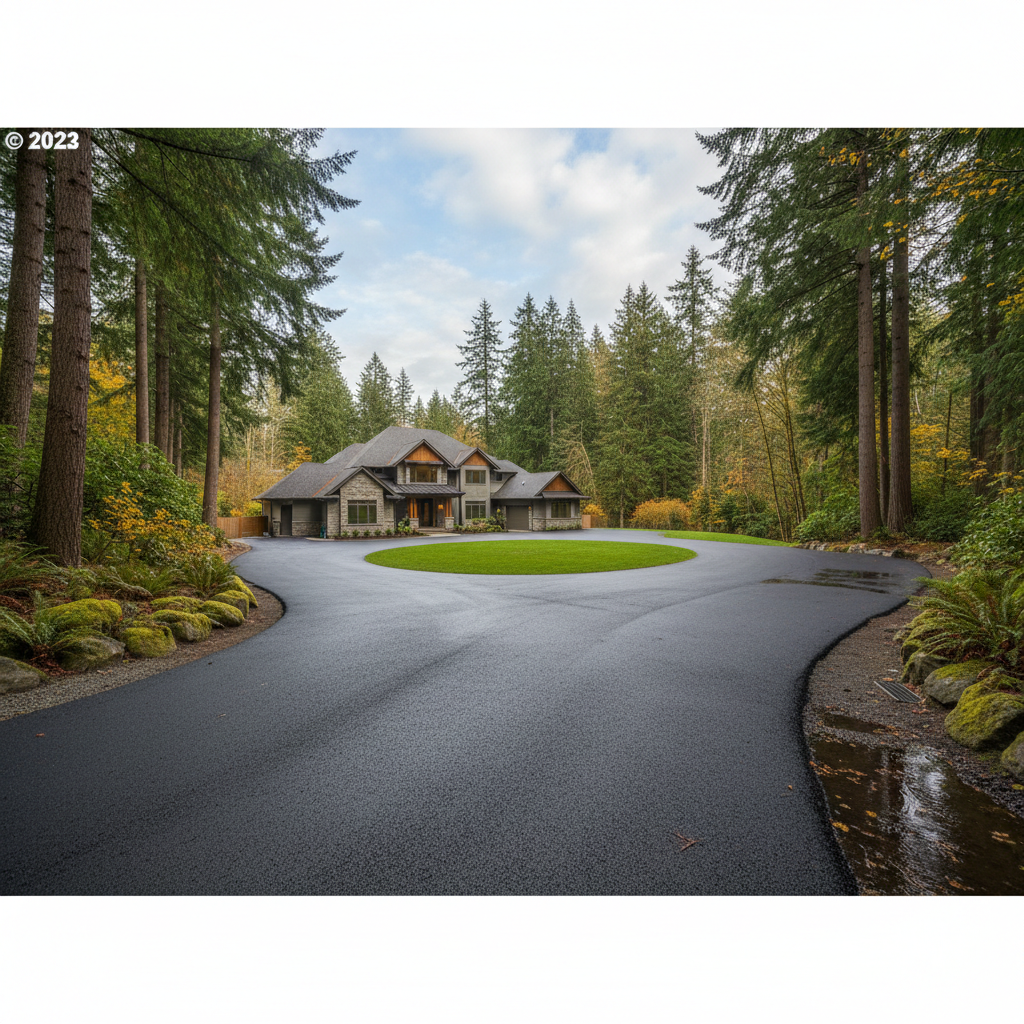
You've got a business to run, and the last thing you need is a crumbling parking lot or a pothole sending customers to your competition. For commercial property owners in Woodinville, keeping that asphalt in top shape isn't just about aesthetics; it's about safety, accessibility, and protecting your investment. But here in the Pacific Northwest, our weather plays a huge role in when and how you should tackle asphalt projects.
When's the Best Time for Commercial Paving in Woodinville?
Let's be real, our 'construction season' isn't as long as it is in, say, Arizona. For major asphalt paving or repaving jobs, you're looking at a pretty specific window. I always tell folks the sweet spot is late spring through early fall – roughly May to October. Why then? Because asphalt needs consistent, dry weather to cure properly. When we're laying down new asphalt, the ground needs to be dry, and the air temperature needs to be above 50 degrees Fahrenheit, ideally even warmer. If it's too cold, the asphalt mix cools down too fast, making it harder to compact properly. If it's too wet, you're introducing moisture into the sub-base, which can lead to all sorts of problems down the line, like cracking and premature failure.
Think about our Woodinville summers. We get those beautiful stretches of warm, dry days, which are absolutely perfect for paving. The asphalt stays pliable longer, allowing for better compaction and a smoother, more durable finish. If you try to push it into late fall or winter, you're gambling with unpredictable rain and dropping temperatures. You might save a few bucks trying to squeeze in a job, but you'll likely pay for it with a shorter lifespan for your pavement.
Weather Conditions That Affect Asphalt Work
Beyond just the season, specific weather conditions are critical. Like I mentioned, temperature is key. For new installations or overlays, we need that consistent warmth. For smaller repairs, like patching potholes, we can be a bit more flexible, but even then, a dry surface is non-negotiable. Trying to fill a pothole that's full of water is just a waste of time and material; it won't bond correctly and will fail quickly.
Rain is the biggest enemy of asphalt work. If it's raining, we're not paving. Period. Moisture prevents the asphalt from adhering properly to the existing surface or the base layer. It can also cool the mix too rapidly, making it difficult to achieve the necessary density. Even high humidity can be a factor, though less critical than direct rain. Wind can also play a role by cooling the asphalt too quickly, especially on larger, exposed surfaces. That's why scheduling is often a bit of a dance with the forecast. We're always checking the radar to make sure we've got a clear window.
Protecting Your Commercial Asphalt Investment Year-Round
Once you've got that fresh, smooth asphalt, you want it to last, right? Here's what you can do:
- Sealcoating: This is your pavement's sunscreen and rain jacket. A good sealcoat every 2-3 years protects the asphalt from UV rays, water penetration, and oil spills. It's a relatively inexpensive way to significantly extend the life of your parking lot. It also makes your lot look brand new, which is great for curb appeal.
- Crack Filling: See a crack? Fill it. Don't wait. Cracks are entry points for water, and once water gets under your asphalt, especially with our freeze-thaw cycles (even mild ones), it's going to cause bigger problems like potholes and alligator cracking. This is especially true for properties with a lot of heavy truck traffic, where the stress on the pavement is higher.
- Regular Cleaning: Keep your parking lot free of debris, dirt, and gravel. These can accelerate wear and tear. Plus, keeping it clean helps you spot issues like cracks and oil spills sooner.
- Proper Drainage: Make sure your drainage systems are clear and working. Standing water is a death sentence for asphalt. If you've got low spots where water collects, address them. Sometimes it's as simple as clearing a drain; other times, it might require minor re-grading.
- Address Spills Immediately: Oil, gas, and other chemicals can break down the asphalt binder. Clean them up as soon as you can.
Taking these steps, especially understanding the best times for major work, will save you a lot of headaches and money in the long run. We've seen it time and again at Top Notch Asphalt; proactive maintenance always pays off. Don't let our beautiful Woodinville rain turn your parking lot into a patchwork of problems. Plan smart, maintain regularly, and your commercial asphalt will serve your business well for years to come.