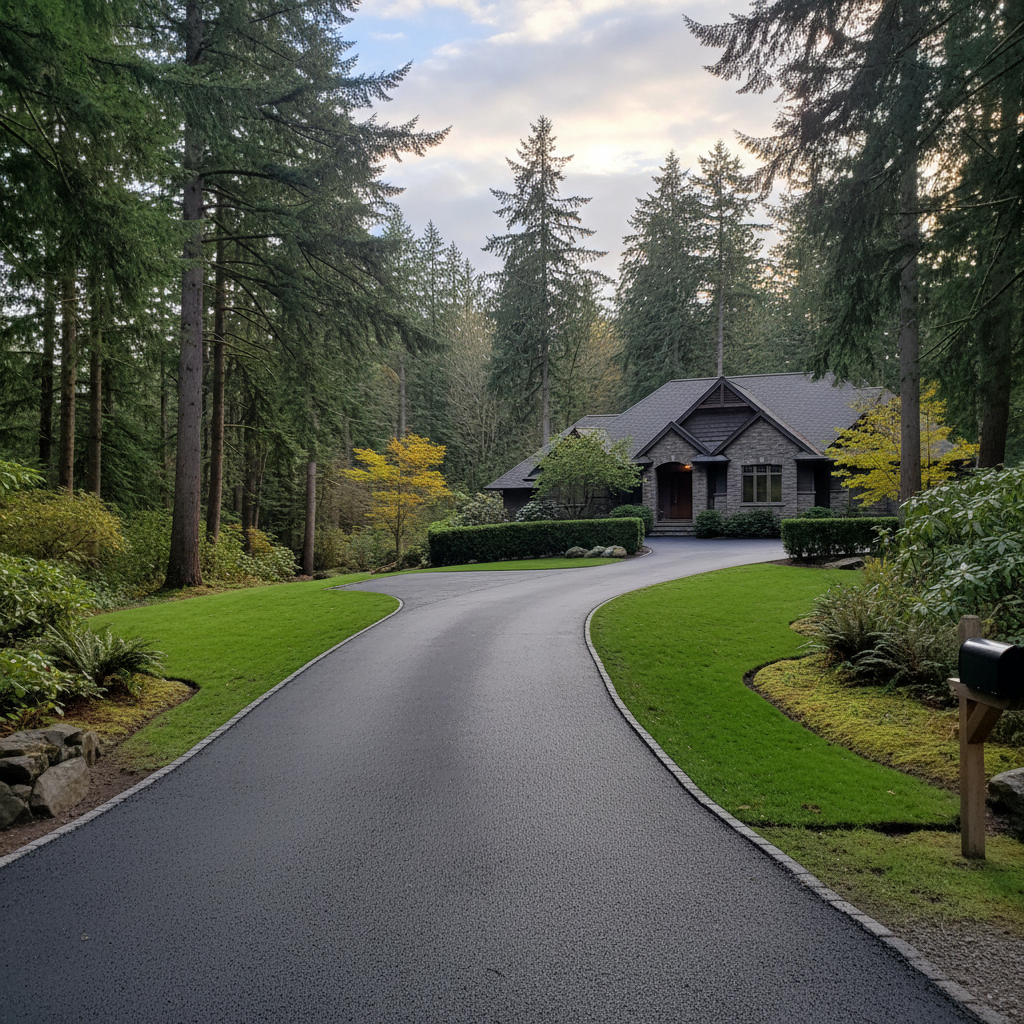
You've got a driveway, and you want it to last. That's pretty straightforward, right? But here in Woodinville, with our unique climate, 'lasting' takes a bit more thought than just getting it paved once and forgetting about it. I've been working with asphalt around here for years, and I've seen what works and what doesn't when it comes to keeping your driveway in top shape through all four seasons.
When's the Best Time for New Asphalt or Major Repairs?
This is probably the most common question I get, and for good reason. Timing is everything with asphalt. You can't just lay it down whenever; the weather plays a huge role in how well it cures and how long it'll hold up. For new installations or big repair jobs, you're really looking at a sweet spot from late spring through early fall.
Why that window? It's all about temperature and moisture. Asphalt needs warm, dry conditions to set properly. When we're laying down hot asphalt, it needs to cool slowly and evenly. If it's too cold, it cools too fast, which can lead to cracks or a weaker surface down the line. If it's too wet, the water can get trapped, messing with the bond and causing issues like stripping or potholes later on. So, those months from May to September are usually ideal. We get longer stretches of dry weather and consistent temperatures, which are perfect for a strong, durable finish. Trying to pave in the middle of our typical Woodinville November rain? That's just asking for trouble, and frankly, most reputable contractors won't even try it.
Understanding Our Local Weather's Impact
Our Pacific Northwest weather isn't just about rain; it's about the freeze-thaw cycle, too. You might not think much about it, but those nights where it dips below freezing and then warms up during the day can be brutal on asphalt. Water seeps into tiny cracks, freezes, expands, and then thaws, leaving bigger cracks and eventually potholes. This is especially true for driveways in areas like the Hollywood Hill neighborhood, where you might have some shaded spots that stay damp longer or get hit harder by frost.
The constant moisture also encourages moss and algae growth, which, besides looking unsightly, can actually degrade the asphalt surface over time. It holds moisture against the pavement, keeping it damp and making it more susceptible to damage.
Year-Round Protection: Beyond Just Paving
Once your driveway is in, your job isn't over. Think of it like maintaining your car; a little preventative care goes a long way. Here's what I tell my clients to do:
Sealcoating is Your Best Friend: This is probably the single most important thing you can do to protect your investment. A good sealcoat acts like sunscreen and a raincoat for your driveway. It protects against UV rays, which can dry out the asphalt and make it brittle, and it seals off those tiny surface cracks from water penetration. I usually recommend getting it done every 2-3 years, depending on traffic and how much sun your driveway gets. It's a small cost now that prevents much bigger repair bills later.
Keep it Clean: Simple, right? But sweeping off leaves, dirt, and debris regularly prevents moisture from getting trapped underneath. If you've got oil or gas spills, clean them up immediately. Petroleum products are solvents for asphalt and will break it down quickly if left to sit.
Address Cracks Early: See a crack? Don't wait. Even small ones can turn into big problems fast, especially with our freeze-thaw cycles. Filling them with a quality crack filler prevents water from getting in and expanding, which is the main culprit behind potholes. It's a quick fix that saves you a headache.
Watch for Drainage Issues: Make sure water is flowing off your driveway, not pooling on it. If you notice puddles that stick around after a rain, that's a sign of a low spot or a drainage problem that needs to be addressed. Standing water significantly shortens the life of your asphalt.
Avoid Heavy Loads and Sharp Turns: Try not to park heavy RVs or construction equipment on your driveway for extended periods. Also, avoid tight, sharp turns with your steering wheel when the vehicle is stationary, as this can twist and damage the asphalt surface, especially when it's hot.
Taking these steps throughout the year will really extend the life of your asphalt driveway. It's not just about getting a good paving job done by someone like Top Notch Asphalt; it's about being proactive with its care. A well-maintained driveway isn't just functional; it adds to your home's curb appeal and value, and who doesn't want that?